The past few years have seen a major change in my life – namely learning to make prints, which is now at the heart of all I do, and a passion for using wood as a matrix. In this blog I consider that journey and how my interest in wood engraving has developed.
Wood engraving is the only form of printmaking that can be said to have been invented in England. Often referred to as ‘drawing with light’ the technique focuses attention on observation and drawing skills as well as a love of the tactile qualities of wood, a steady hand and good eyesight! Its roots go back to the late 1700’s when Thomas Bewick adapted tools used by metal engravers and started to use hard endgrain woods such as boxwood. He became well known during his lifetime for his exquisite engravings of birds and other animals, printed in some of the earliest mass produced illustrated books that influenced authors Charlotte Bronte, Charles Kingsley and Beatrix Potter, and confirmed him as one of our first naturalists.
My enthusiasm for wood engravings was sparked through a realisation that this technique suits my obsession with detail (no doubt as a result of years practicing as an architect!). The saying goes that you don’t choose wood engraving but it chooses you. I didn’t find wood engravings particularly attractive, they seemed old fashioned and lacking in colour, but all that has changed as I have explored it’s 250 year history, being particularly attracted to the bold black and white designs that emerged during the Modernist Movement. Now explorations in the use of colour, multi block and mixed media prints continue innovations in the technique.
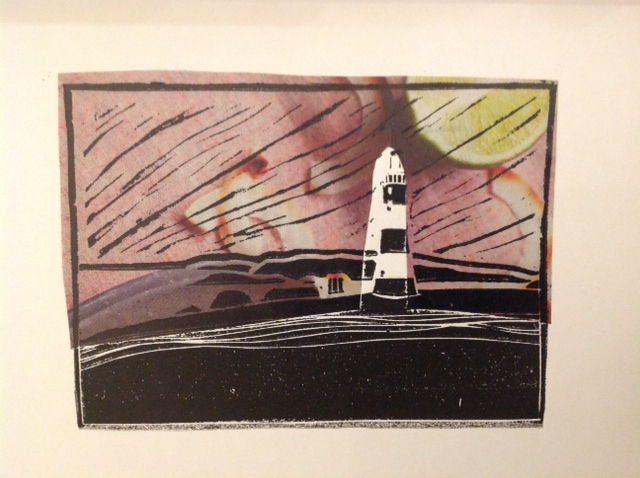
I had not done any printmaking at all until my first taster in 2012, when I tried mono-printing with Marian Taylor on a mixed media course at St Ives School of Painting, studying the work of Wilhemina Barns-Graham. In 2015 an urban sketcher friend introduced me to Sarah Mander at Red Hot Press (RHP) in Southampton, where, following a taster session in mono-printing with fellow urban sketchers, I signed up for a beginners course introducing linocut, card cuts, drypoint and etching techniques, and sold my first print – a chine colle and linocut of Smeaton’s Tower!
In 2017 I decided to join RHP and their members group Cowprint Artists’ Group, and signed up for their 30 week Foundation Course. This signified the start of an exciting and fulfilling new phase in my life, developing long lasting friendships with like-minded individuals passionate about printmaking and art.
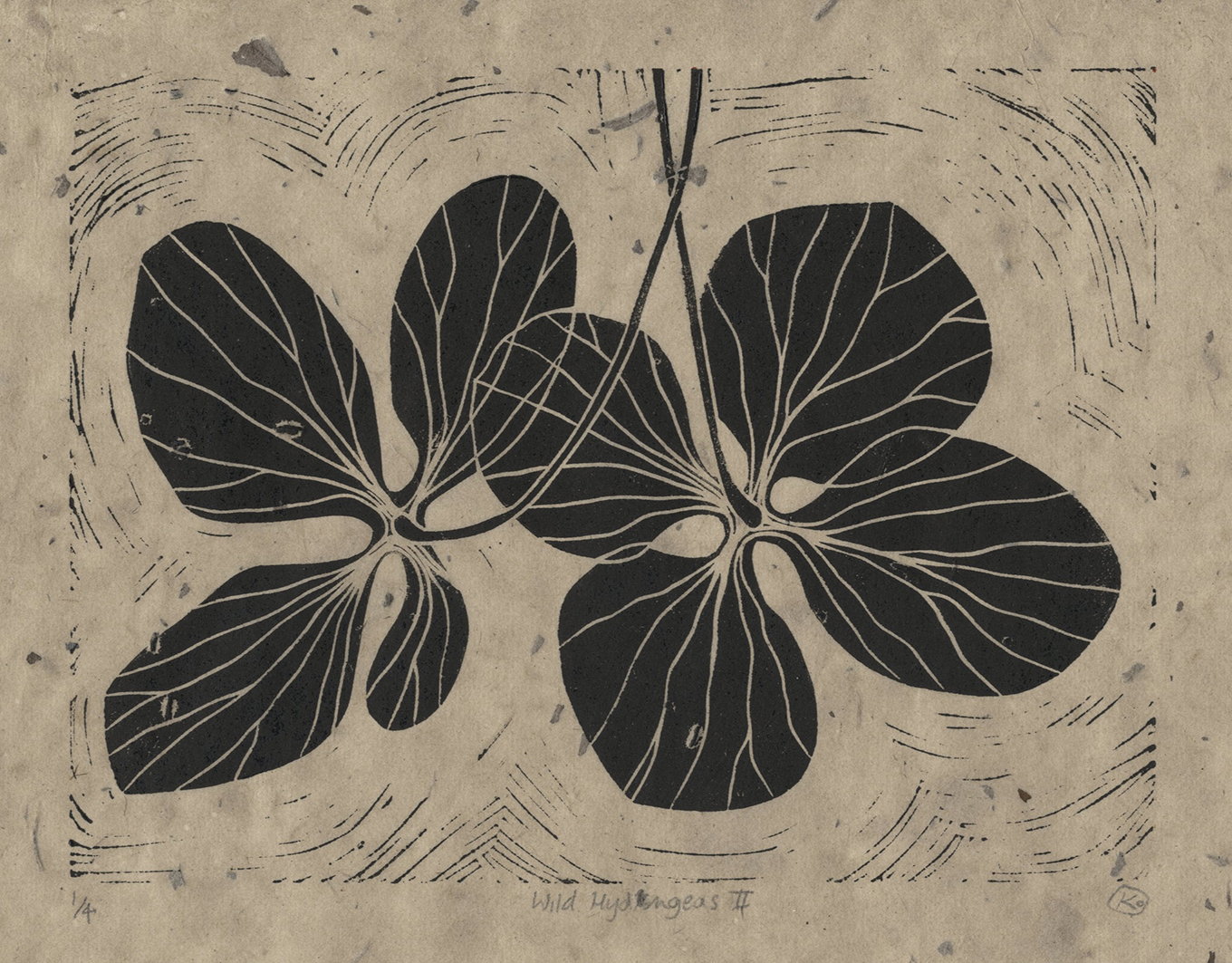
During this course we had guest tutoring from Kate Dicker, a wood engraver and an elected member of the Society of Wood Engravers (SWE). I was intrigued by the detailed structure of dried hydrangea flowers and created a number of prints in different techniques (including Wild Hydrangeas II printed on Lokta paper) studying the flowers at different scales from macro to micro. Working in lino I struggled to get the detail I wanted and seeing Kate’s graphically bold but detailed wood engravings I wondered if wood engraving might be the answer.
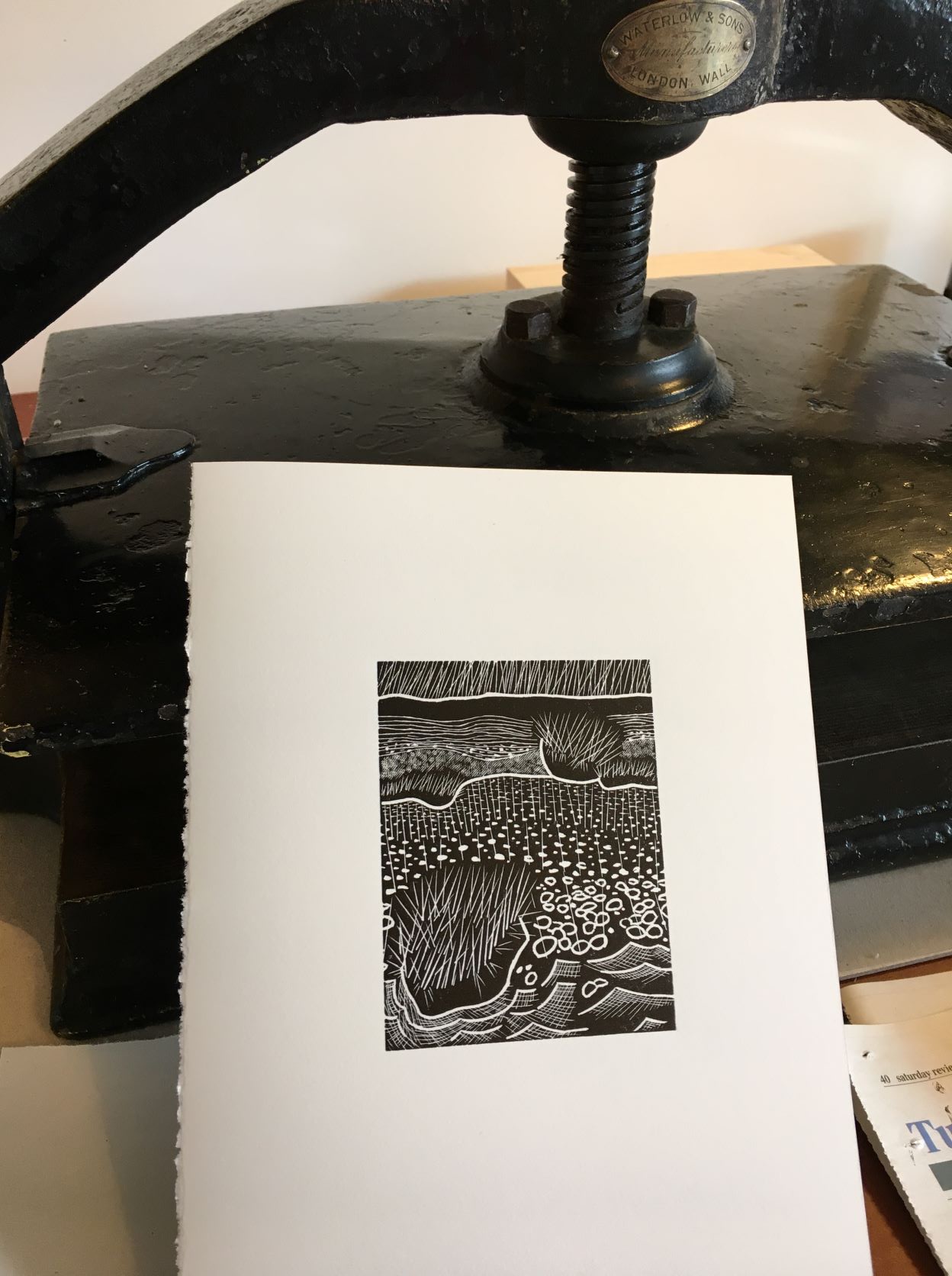
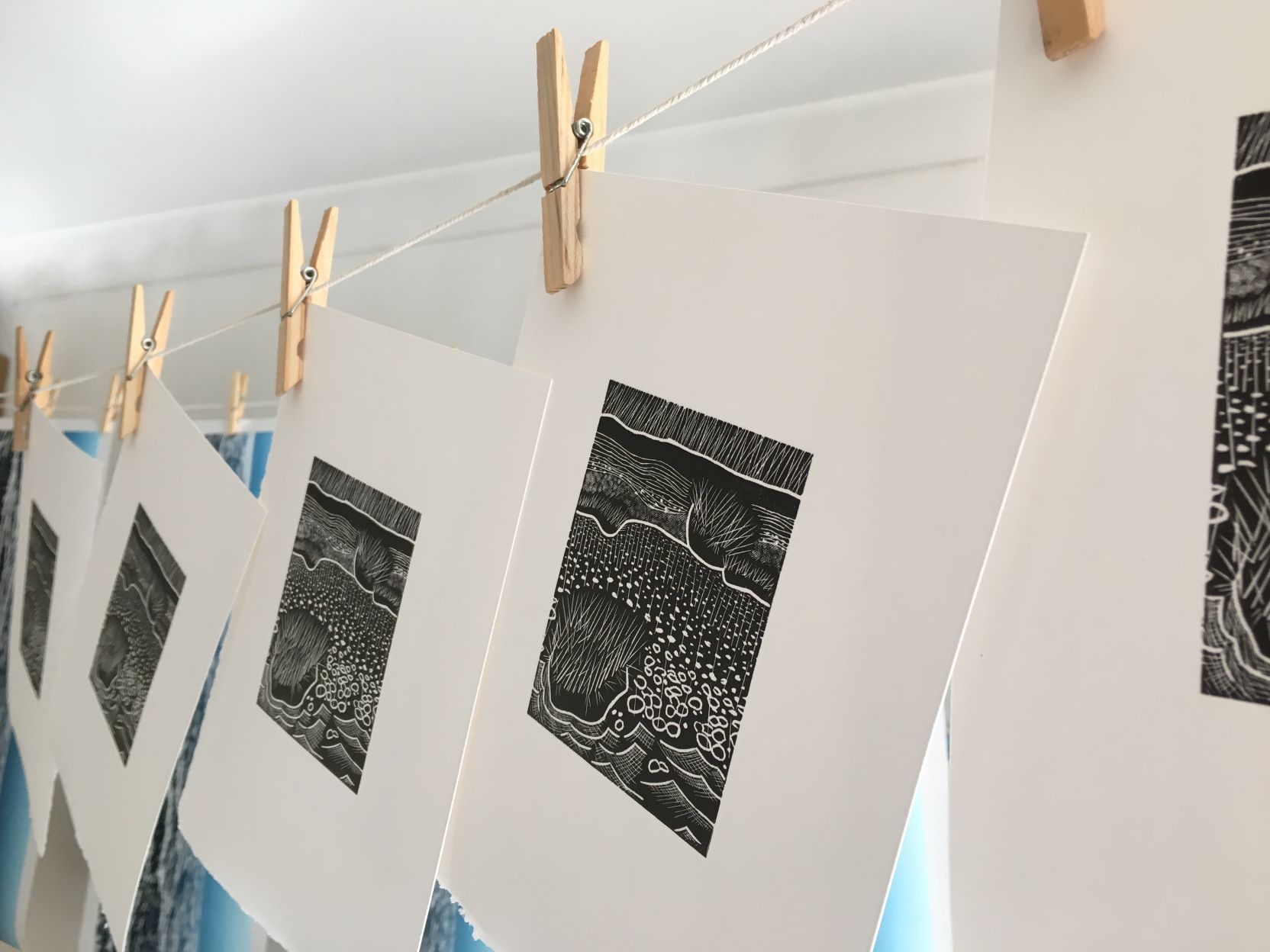
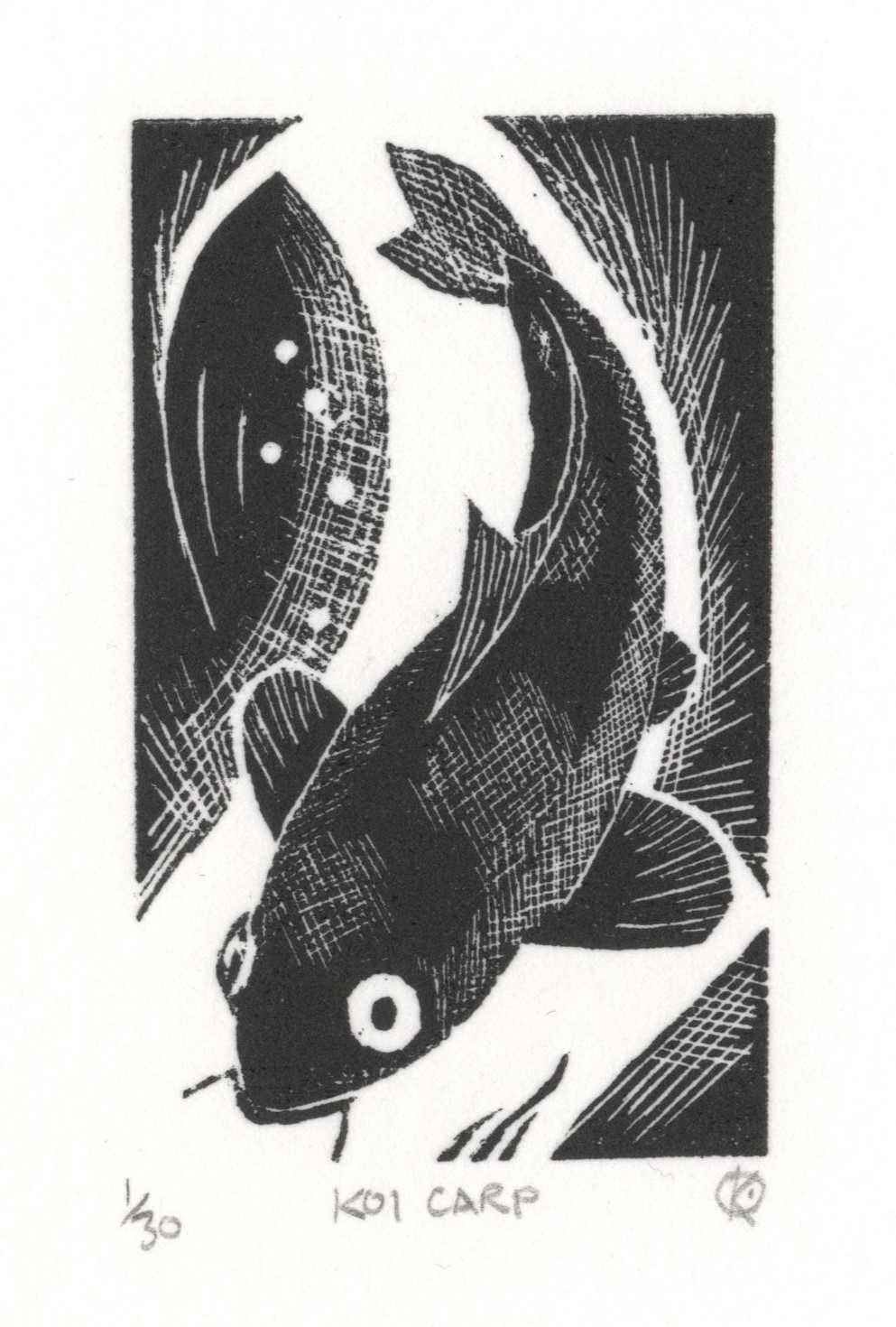
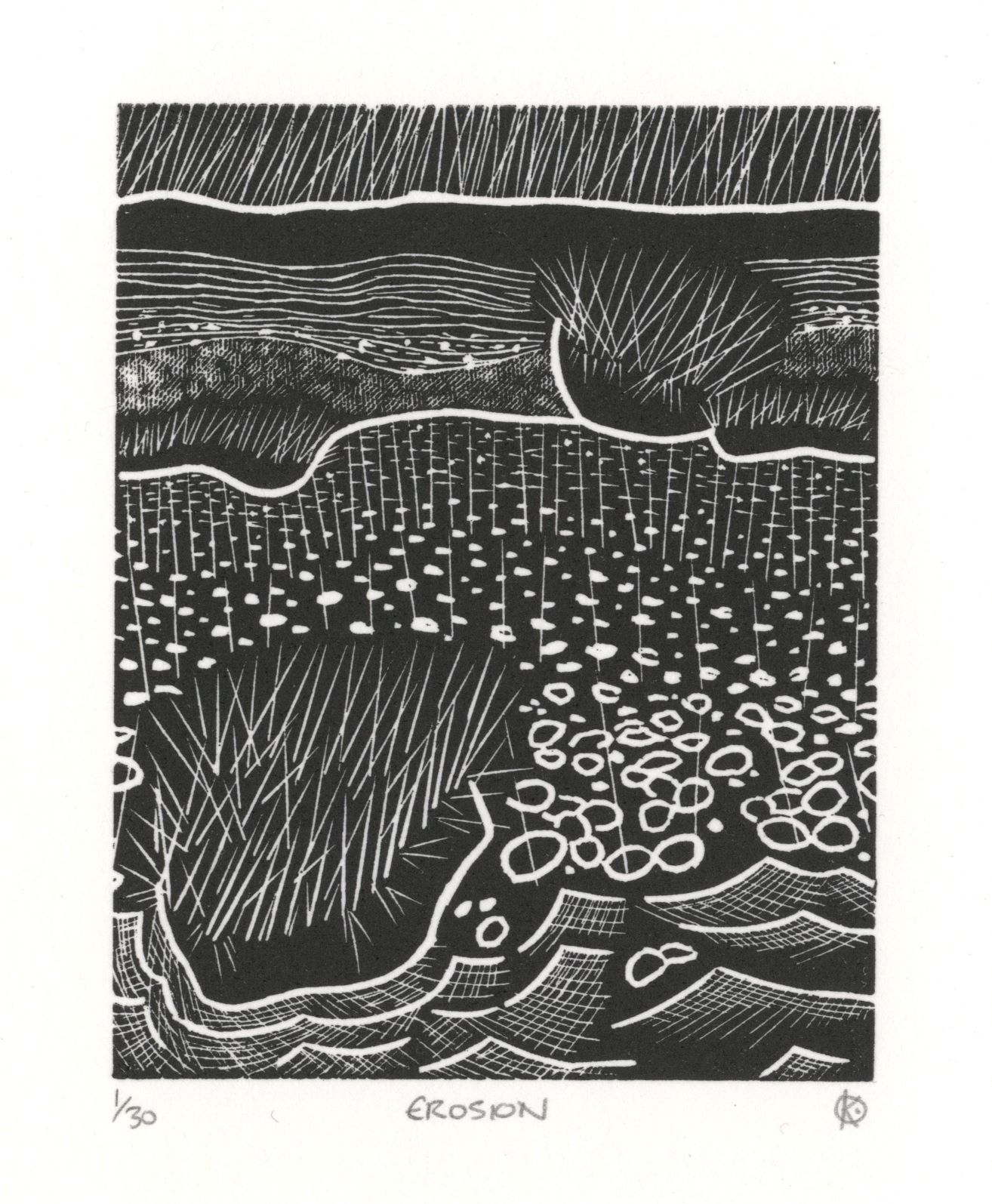
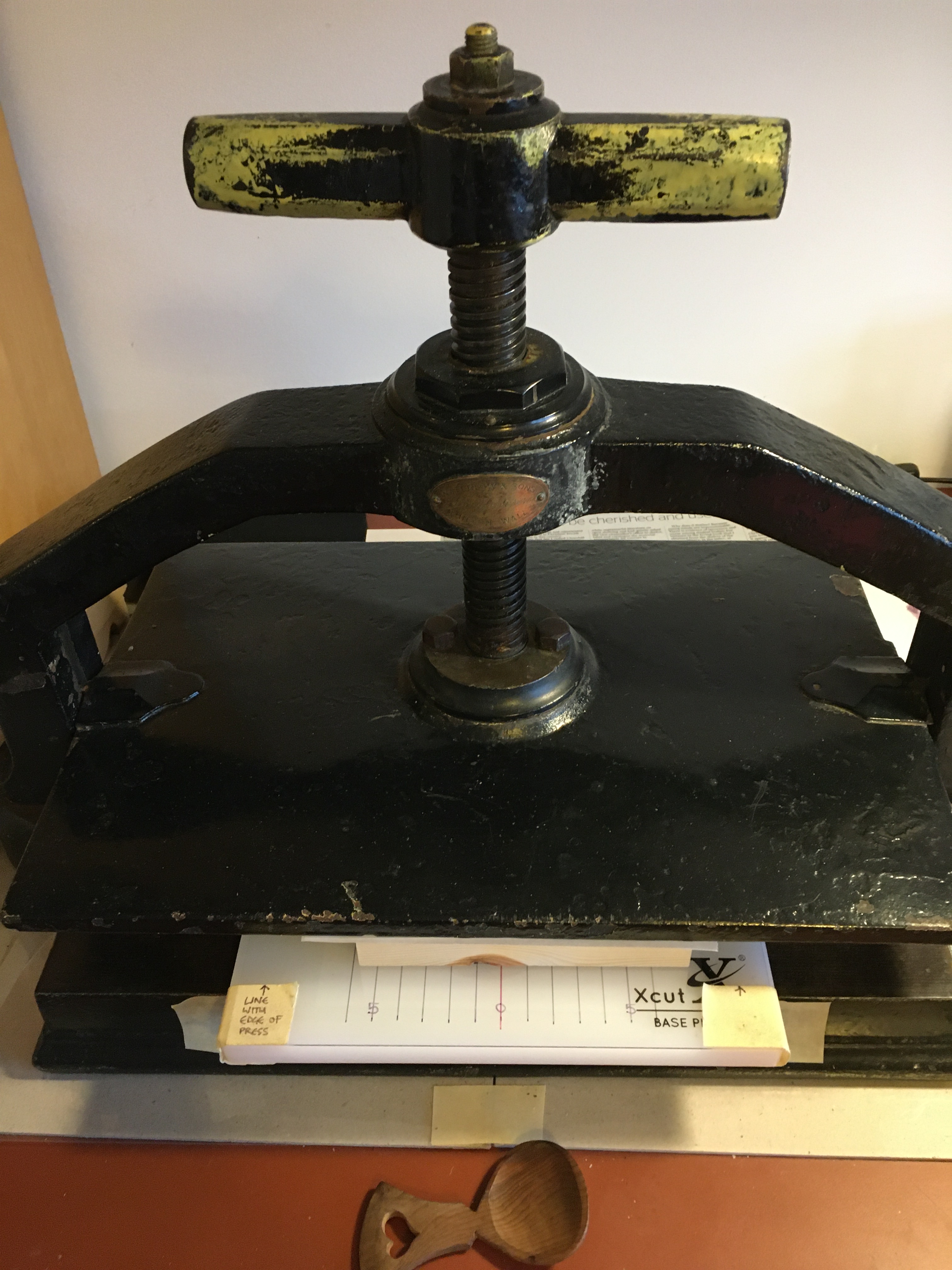
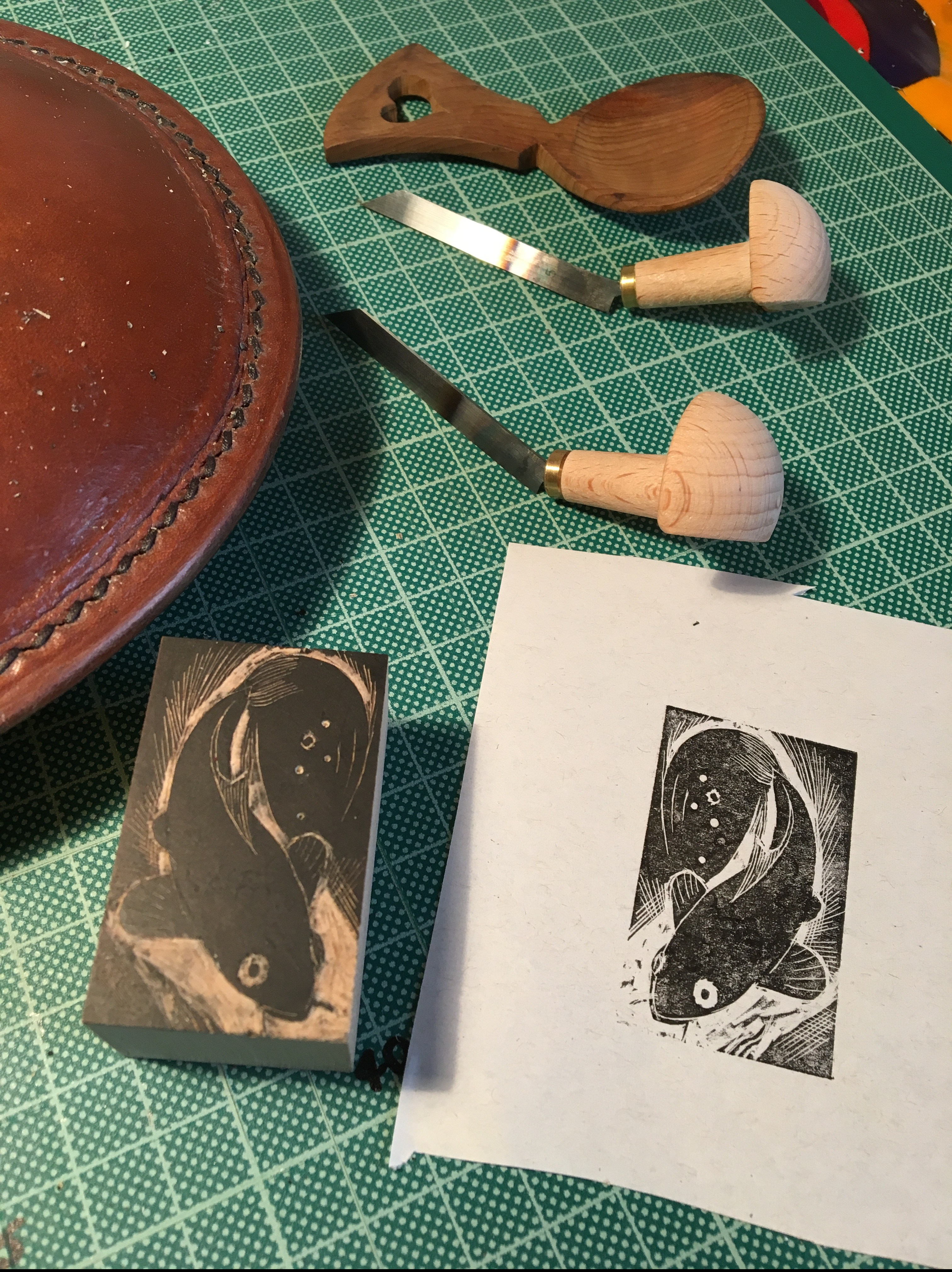
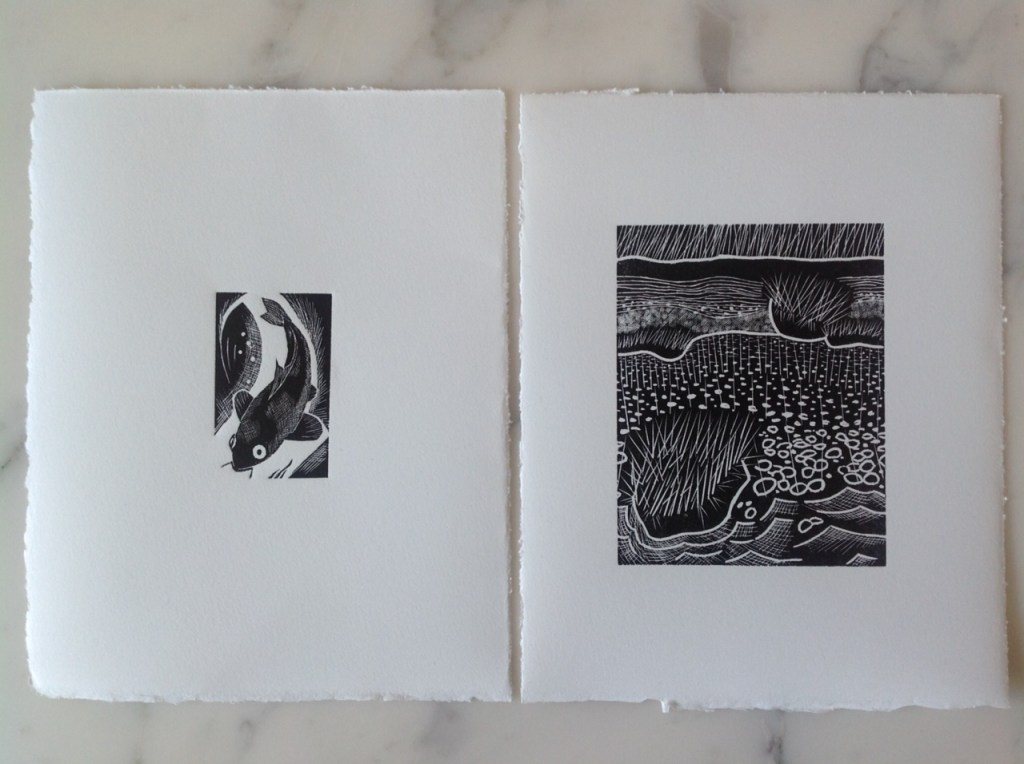
In 2018 Katherine Anteney at RHP asked Jutta Manser, a long term member of RHP and an elected member of SWE to run an introductory course early in 2019. I bought Simon Brett’s Wood Engraving – How To Do It book (which is excellent) and some tools to get started. Agnes Miller Parker’s bold studies of fish and animals, influenced my design for my first wood engraving Koi Carp . My second engraving, also created on Jutta’s course, was ‘Erosion’, a design influenced by the modernist pattern making of Geoffrey Wales and I was delighted when this was accepted in the St Barbe Open Exhibition, Lymington, in 2019. Both of these were editioned on an antique Waterlow copying press.
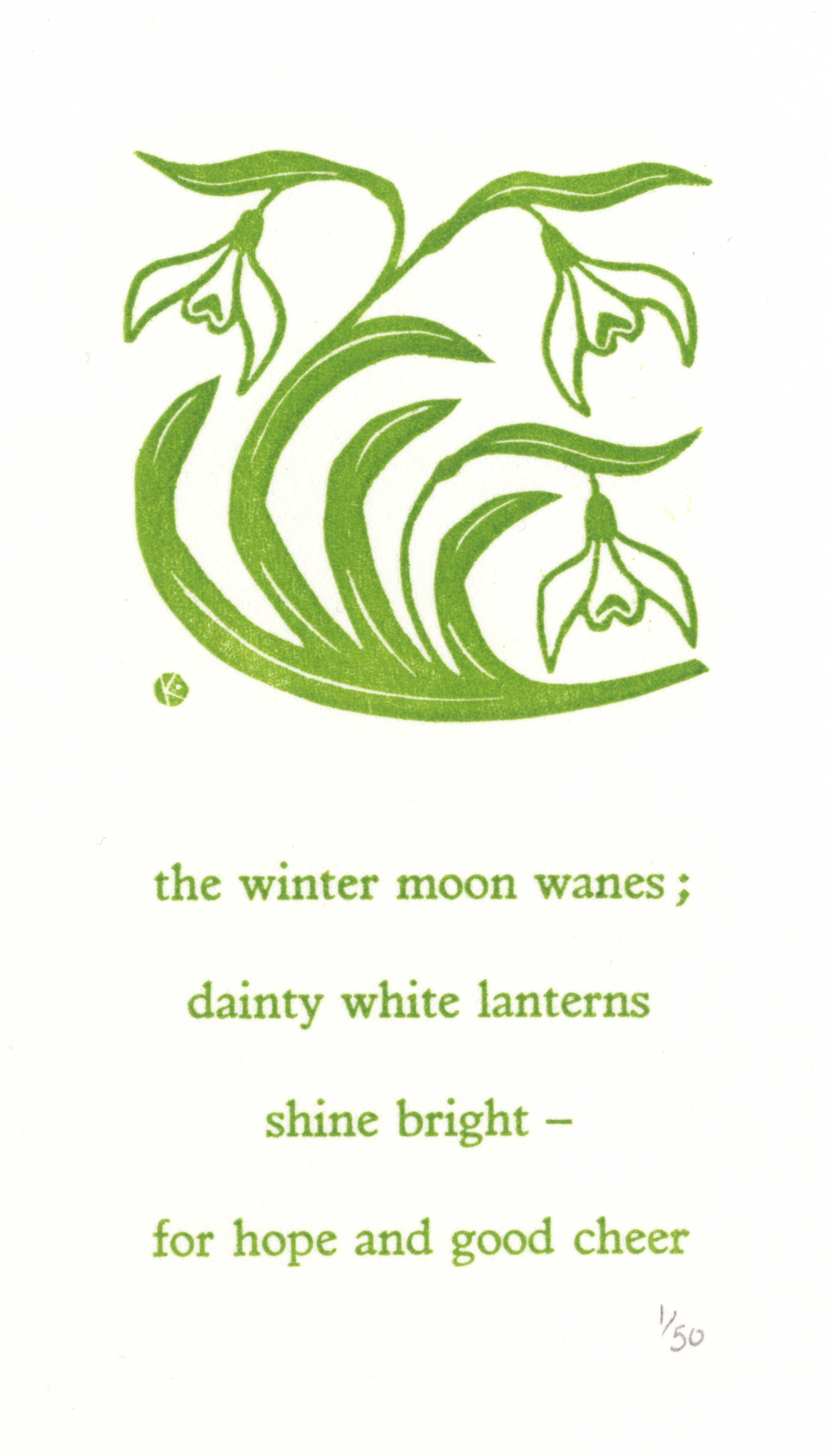
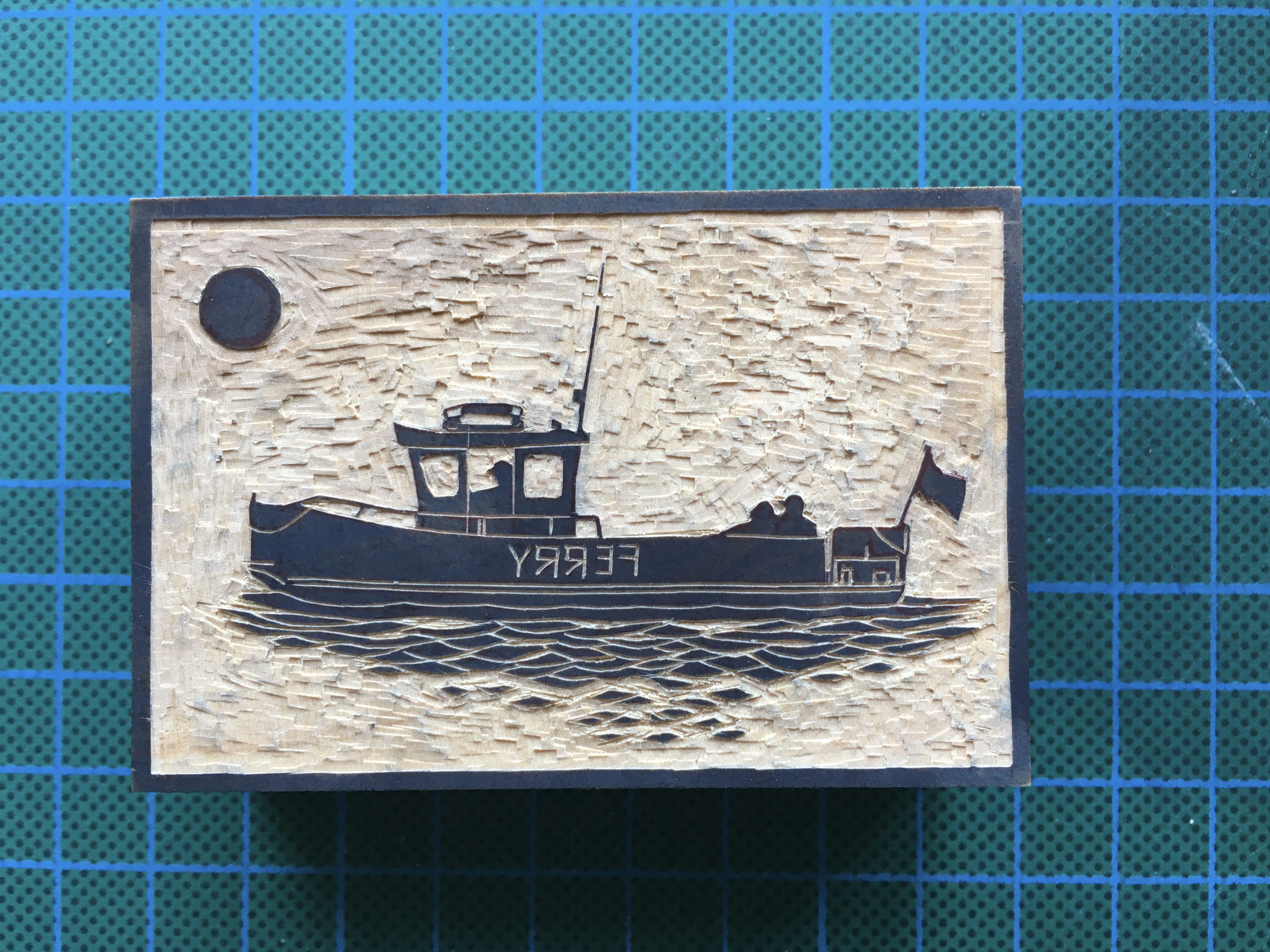
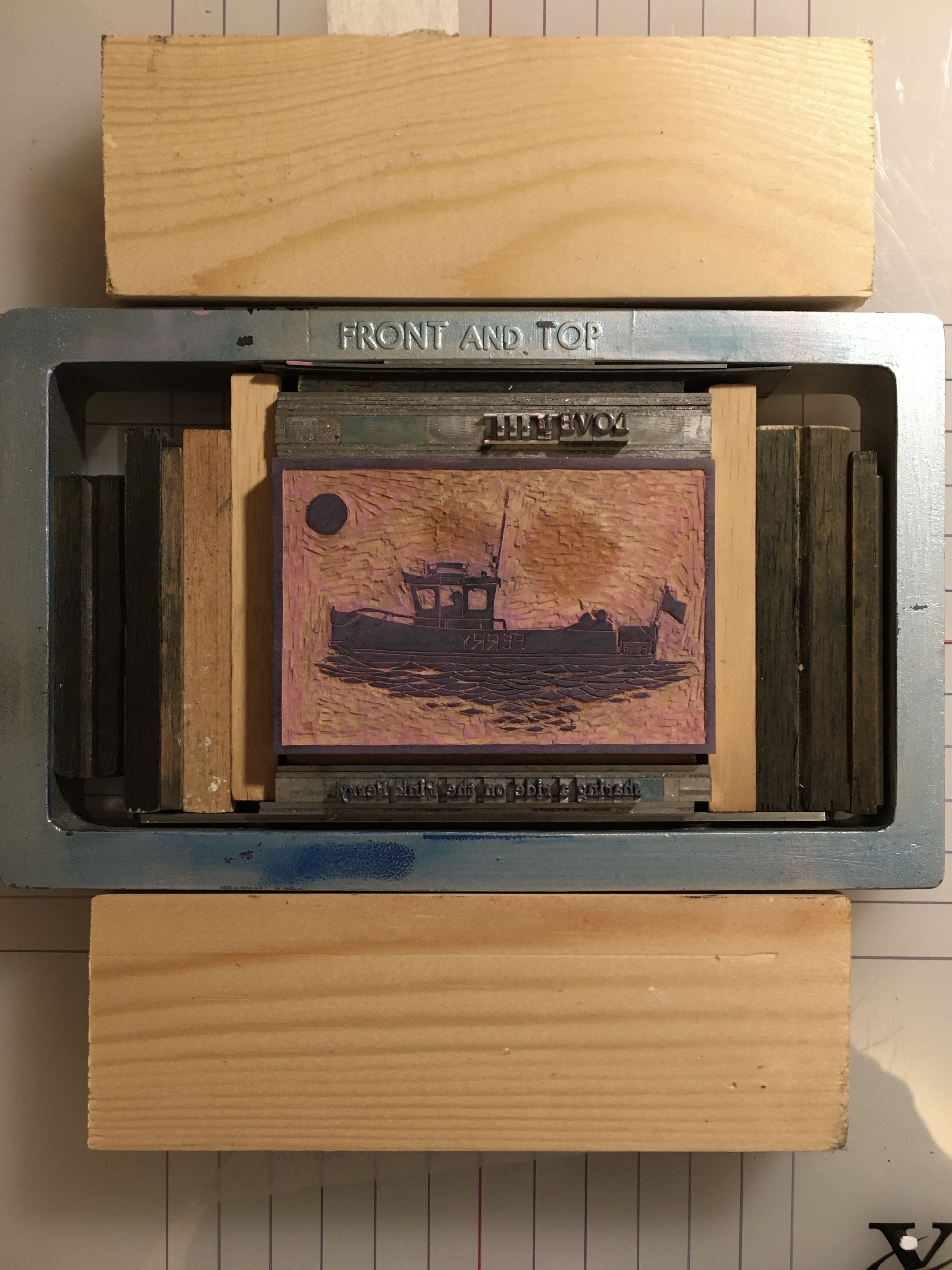
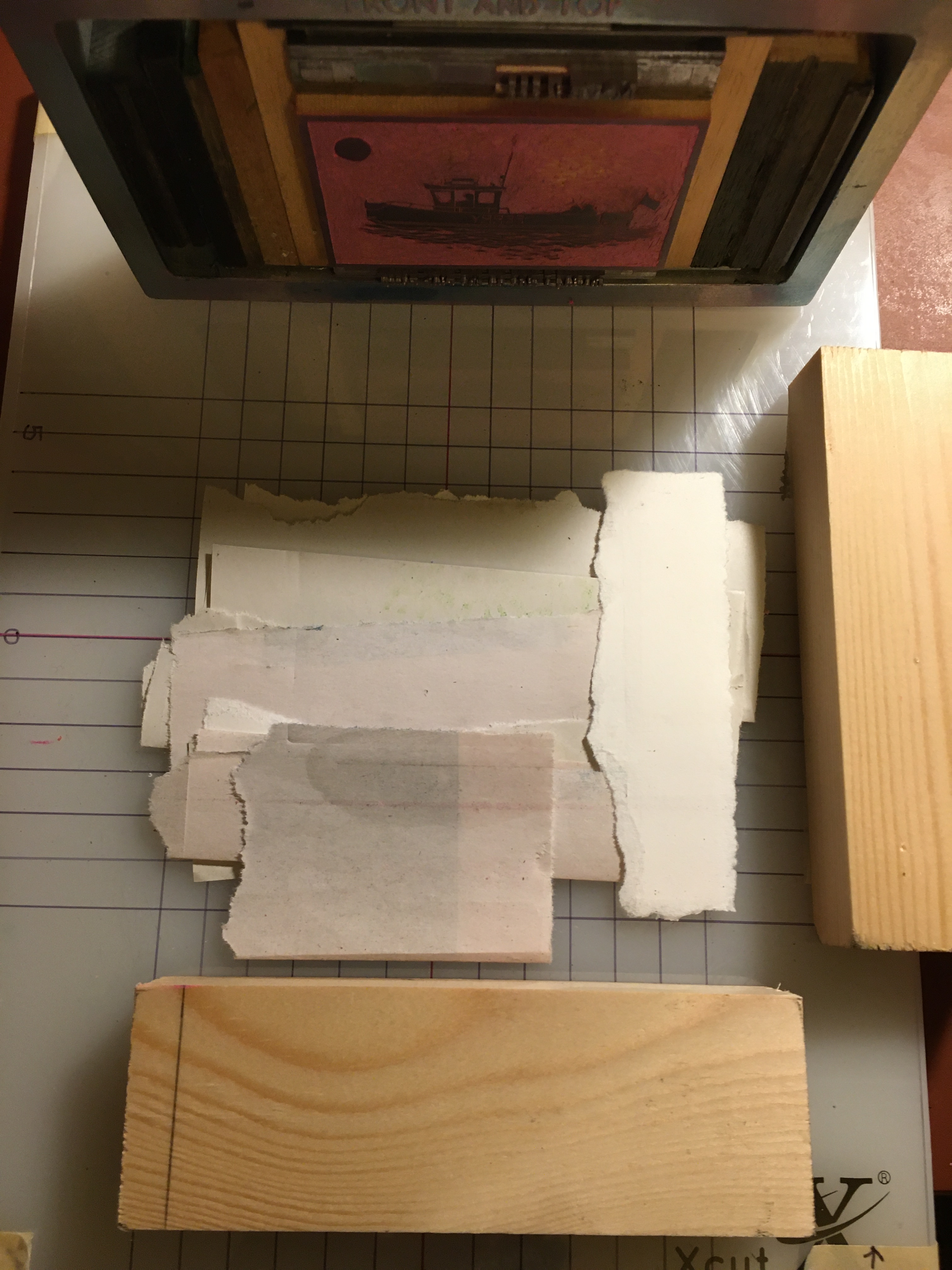
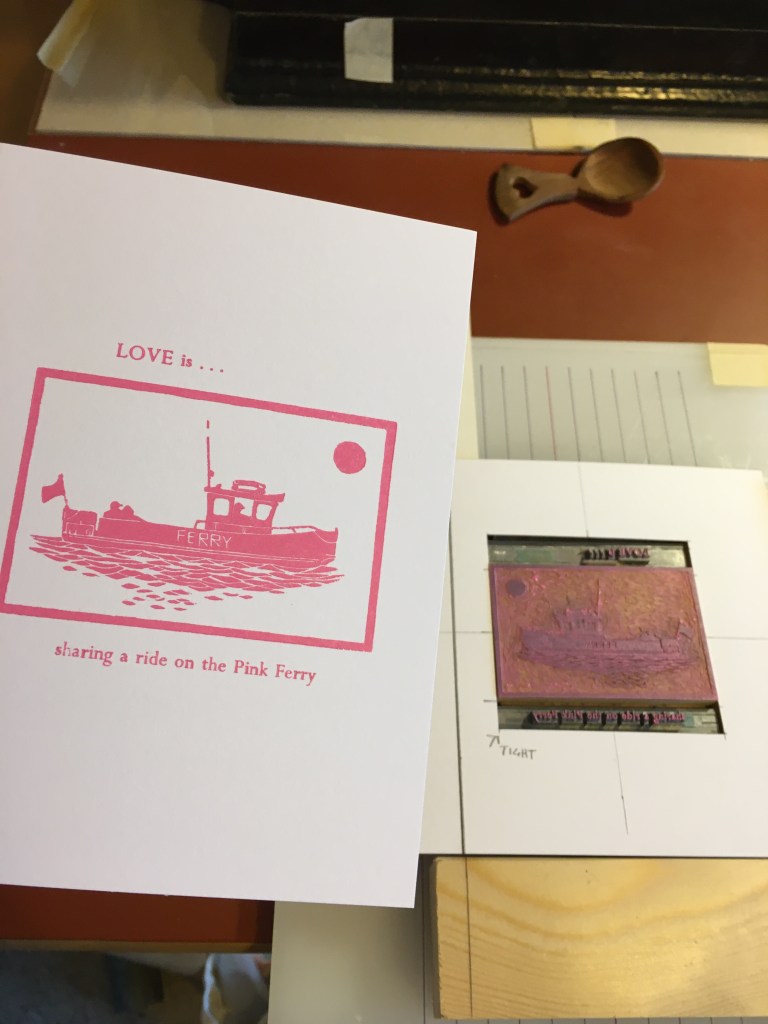
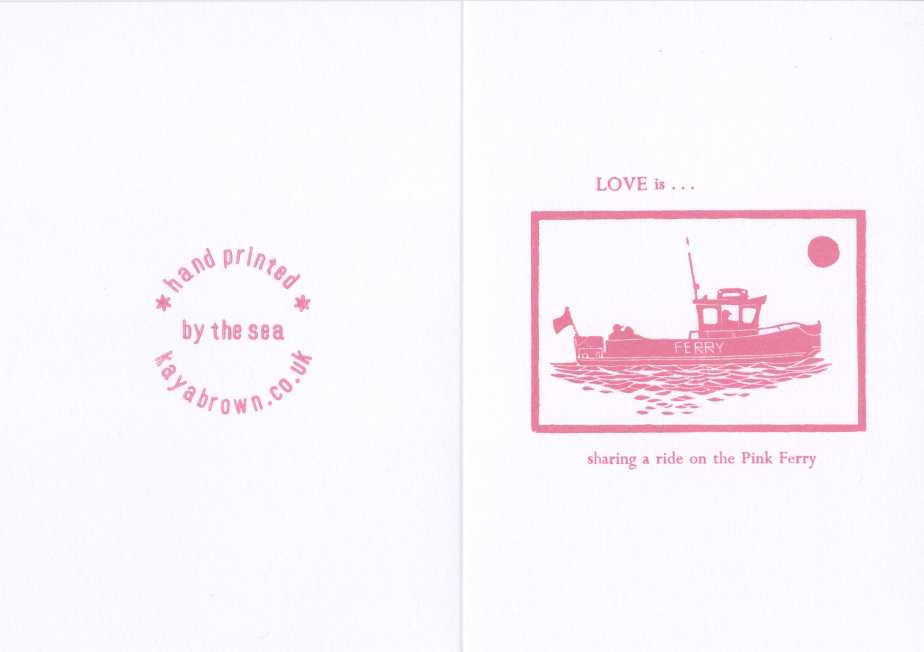
During the following couple of years I engraved a few small designs including ‘Love is … sharing a ride on the Pink Ferry’, set with type and printed as a card – so popular its now in its sixth edition! Other designs included ‘Snowdrops’ printed with a haiku poem I had composed (an occasional pastime!) influenced by the engravings of Lucien Pissarro, a founding member of the SWE.

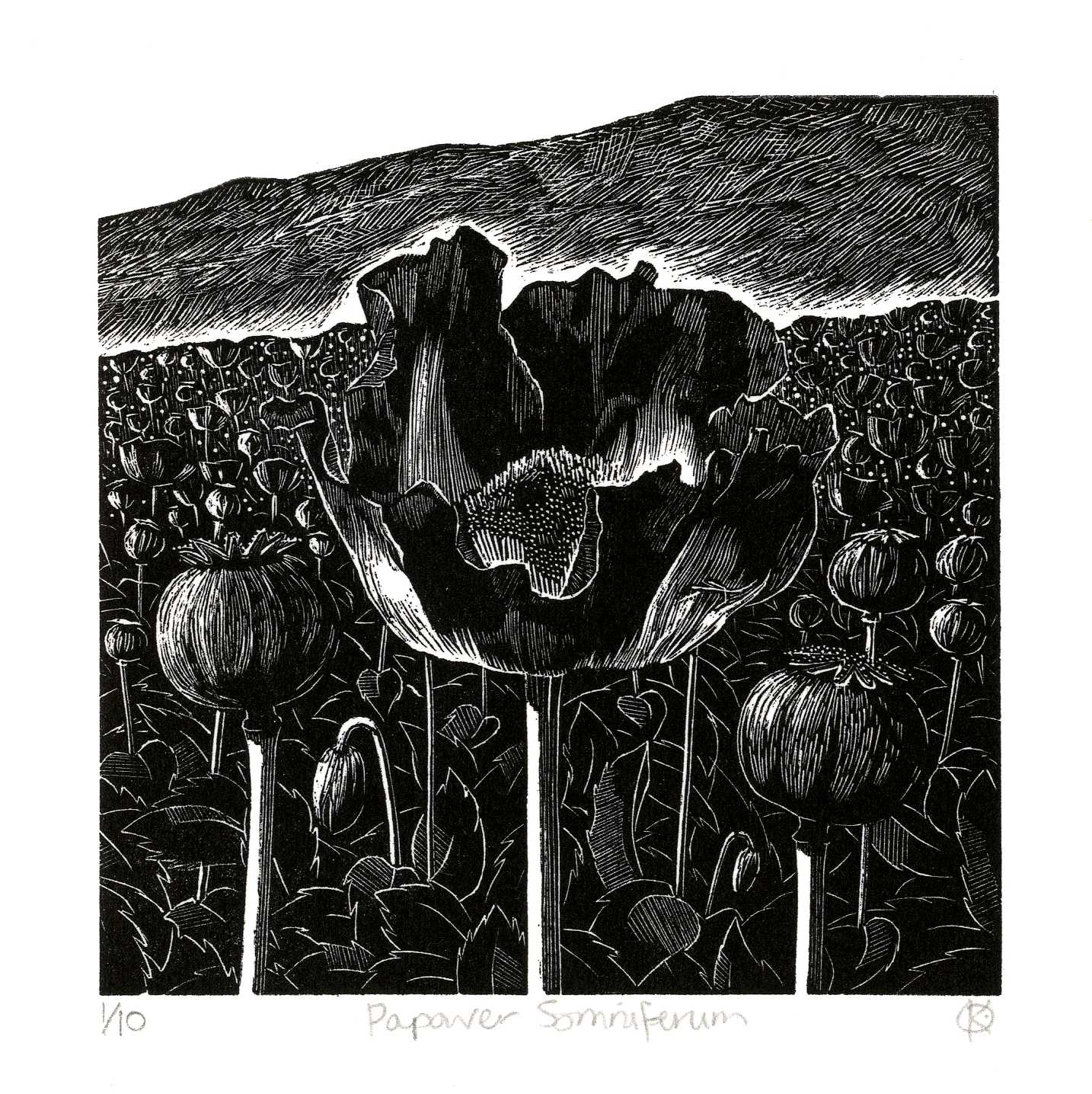
In 2021 the troubles in Afghanistan prompted an edition of prints for the 20:20 print exchange run by Hot Bed Press, illustrating the opium poppy fields ‘Papaver Ultramarinus’, printed in an ultramarine colour, derived from Lapis Lazuli mined in the Hindu Kush. A small edition printed in a more sombre black ‘Papaver Somniferum’ followed, and was thrilled to hear that it was selected for the prestigious annual exhibition of the Society of Wood Engravers, now in its 85th year, at the Bankside Gallery, London, in February 2023. From here it spends the year touring the country, exhibiting at five other galleries.
I attended a course at West Dean College in 2021 with the SWE elected wood engraver and sculptor Harry Brockway. I have admired his unusual pattern making approach to wood engraving that draws on his technique as a sculptor. I engraved ‘Fawley – across Southampton Water’ in memory of Fawley Power Station (a fine example of brutalist architecture which was being demolished), which was selected for St Barbe Open in 2022.


The native shells of the Solent, washed up on the shores of Hamble Common, provided me with the subject for my next engravings, titled ‘Solent Seashells‘. It was during 2022 RHP decided to close its doors and I joined Portsmouth Printmakers (previously Omega Printmakers) at the Omega Centre in Portsmouth, attracted by its magnificent 1892 Albion press as well as excellent well equipped print studios.
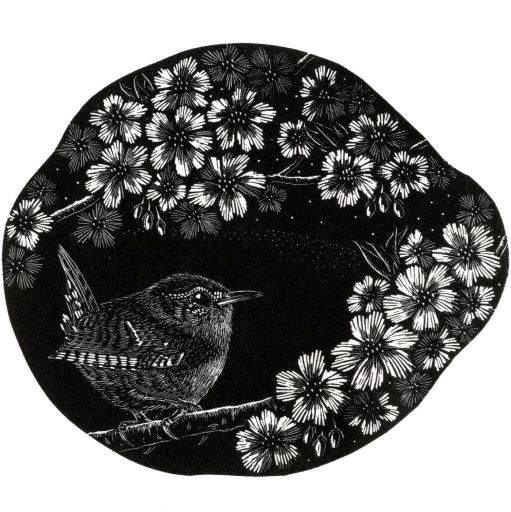
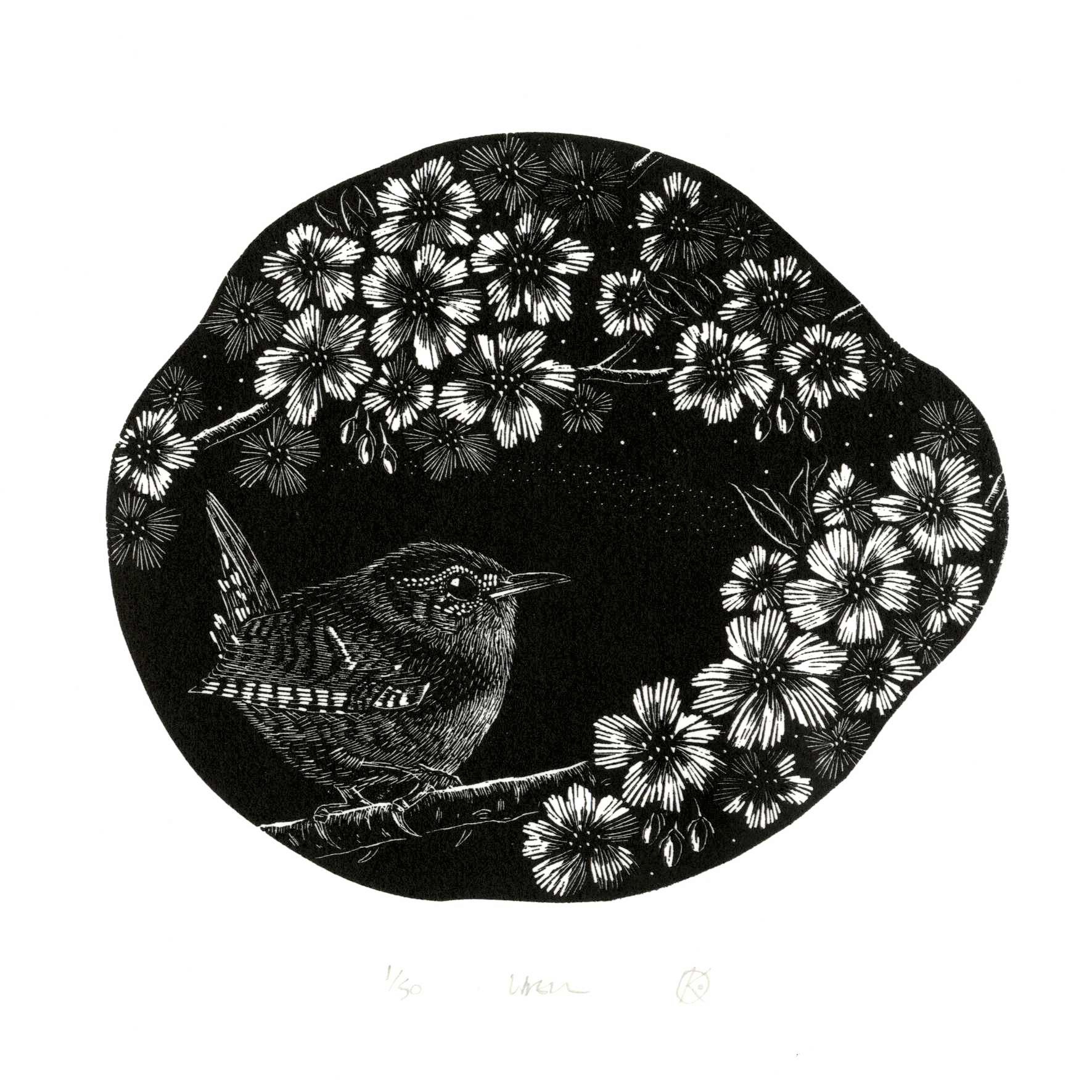
I also enjoy poetry and so when I saw the Open Call from the Scottish Ornithologist Society to create a design inspired by a poem I thought this might be an interesting challenge. I found a beautiful short poem by Scottish poet Richard Price that reminded me of the little wren that flits around our great white cherry tree – an ideal subject for an engraving on a boxwood round! My print ‘Wren’ was selected and was on show at their headquarters at Aberlady near Edinburgh during the summer 2022.
Following interest in my wood engravings at the Portsmouth Printmakers exhibition at the Jack House Gallery in Portsmouth, they invited me to run an introduction to wood engraving course in February 2023. It was really rewarding to see everyone develop their confidence through the weekend and produce some fantastic prints at the end of this quite intensive course. All are keen to continue to develop their skills so more courses are being planned for the autumn.


So what next? As one of the only wood engravers in Cowprint Artists’ Group and at Portsmouth Printmakers I would like to see more of our members ‘drawing with light’ and exploring this technique. I hope that the success of my recent wood engraving course will see a new group of wood engravers emerge and through exhibitions introduce this unique technique to new admirers and print collectors.
As for me, I still have much to learn about the technique; I want to make more use of the pattern making qualities of the engraving tools and I am excited by the use of colour in wood engraving using multiple blocks and the potential for combining the technique with other printmaking techniques – so watch this space!
 Kay A Brown